


 Let’s say this louder for the folks refreshing their inbox waiting for an ad deal:
You don’t need sponsors to make money podcasting.
We’ve been in the podcast industry for more than 20 years. We’ve watched podcasters chase CPMs like they’re lottery tickets. We’ve seen shows with 300 downloads an episode turn a profit… and shows with 30,000 downloads make exactly zero dollars.
Most people fail at cashing in because they’re chasing vanity metrics. They want to feel big before they get paid.
That’s backwards.
Here are five revenue paths that work — even if your audience would fit inside a modest wedding venue.
Stop Begging for Ads. Sell Something Real.
We see this pattern constantly.
A podcaster finally lands a sponsor. The CPM looks decent on paper. The mid-roll is baked-in. It feels like a milestone.
Then the payout hits… and it barely covers expenses.
Here’s the math nobody talks about: unless you’re pulling serious download volume, ad revenue adds up slowly. Really slowly. And it’s tied to fluctuating downloads, fill rates, and someone else’s marketing budget.
Meanwhile, a single consulting client, coaching package, or service contract can outperform months of ad slots.
That’s not theory. That’s how the economics usually shake out.
Here’s the kicker: your podcast is a trust machine. If you sell services — consulting, coaching, strategy, production, design, legal work, whatever — your show does the heavy lifting before the sales call ever happens.
By the time someone reaches out, they already know how you think. They’ve heard your philosophy. They trust your voice.
You don’t need a dynamic ad insertion (DAI) platform optimizing ad fill rates.
You need a clear offer.
If someone binge-listened to 10 episodes today, what could they pay you for tomorrow?
If you don’t have an answer, that’s the problem.
Your Audience Is Small? Good.
Everyone complains about small downloads.
We love small audiences.
Small audiences buy.
A tight-knit group of 500 loyal listeners who see you as their go-to voice will outspend 10,000 casual scrollers who found you through a social post and forgot your name.
Memberships. Paid communities. Premium episodes. Bonus Q&As. Private feeds.
You don’t need 100,000 downloads. You need 100 people who care.
We’ve seen creators build $3K–$10K/month private feeds with fewer than 1,000 total listeners. Why? Because they stopped trying to impress advertisers and started serving their core.
Look — if your audience wouldn’t miss you if you stopped publishing, ads won’t save you.
Depth beats width. Every time.
Digital Products: The Sleeper Hit
Ebooks. Templates. Swipe files. Mini-courses. Workshops. Not sexy. Not flashy. Highly effective.
In the world of content creation, the biggest wins often come from the simplest places. You don’t need a revolutionary breakthrough to create a successful digital product; you just need a tactical solution to a common problem.
Think of it as the “Shortcut Economy.” When you bundle specific, actionable advice—like a niche audio series—with a functional tool like a Notion template, you create a low-friction entry point for your audience.
While a high-ticket course requires a massive commitment, a $49 “problem-solver” can quietly become a consistent revenue driver. It becomes a passive asset that gains momentum over time; as new followers discover your work, they look for the fastest way to get results.
The Playbook:
- Audit Your Conversations: You already spend hours sharing insights. Identify the questions you answer most often and package that knowledge.
- Add Structure: People don’t pay for information; they pay for organization. Take your raw ideas, clean them up, and put them into a repeatable framework.
- Prioritize Utility: Avoid the trap of overproduction. Your audience is looking for a breakthrough, not cinematic transitions. Clarity will always outsell “polish.”
Affiliate Revenue (But Not the Gross Way)

Let’s talk about affiliate cash.
Blubrry’s Affiliate Program is a good example of how this can work the right way — podcasters can recommend a hosting platform they already trust and earn commission when fellow creators sign up. It’s less about pushing links and more about pointing people to tools that genuinely help them launch and grow.
Most podcasters do this wrong. They shotgun links into show notes and hope something sticks. That’s lazy.
Affiliate revenue works when it’s aligned and baked-in naturally.
Example: we once saw someone mentioned a specific mic they genuinely loved. Not because of commission. Because it solved a problem for their audience.
Over time, that one product mention — repeated organically across episodes — paid their hosting bill for years.
No hard sell. No awkward promo code voice.
If you already recommend tools, software, books, gear — why aren’t you getting paid for that?
And no, you don’t need to turn into a late-night infomercial host.
Events. Yes, Even Small Ones.
Here’s something nobody tells new podcasters: live experiences convert like crazy.
They don’t have to be massive conferences. Start small.
A virtual workshop for 25 people at $99 each.
A paid mastermind dinner at a conference you’re already attending.
A one-day online intensive.
Access scales differently than ads. It’s high-trust, high-touch, and high-value.
You can’t automate connection completely — and that’s the point.
The Ad Myth That Won’t Die
Look, we’re not anti-sponsor.
We’ve done DAI campaigns. We’ve negotiated baked-in mid-rolls. We’ve read ad copy that made us question our life choices.
Ads are fine — once your show is a machine.
But too many podcasters treat sponsors like a graduation ceremony. “Once we get ads, we’ve made it.”
Made what?
A few hundred bucks a month tied to download volatility and fill rates?
If your only revenue plan depends on someone else’s marketing budget, you don’t have a business. You have hope.
Hope doesn’t pay your editor.
The Real Question
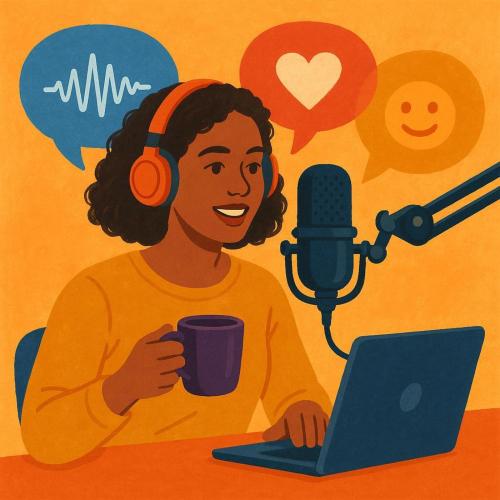
Are you building an audience… or are you building leverage?
One gets applause.
The other gets paid.
You don’t need sponsors to make money podcasting. You need clarity about what you’re actually selling — even if that “thing” is just deeper access to you.
We’ve seen this a thousand times. The podcasters who win aren’t the loudest. They’re the ones who treat their show like an asset, not a hobby waiting for permission.
So stop refreshing your inbox for that dream brand deal.
What can you sell this month?
Start there.