


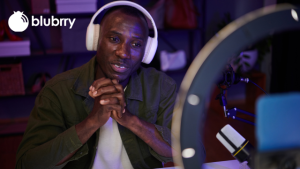
 Historically, traditional media has controlled the stories that find their way into the mainstream. This often meant that Black stories, as well as those from other minority communities, went untold. Podcasting helped change that and continues to empower Black voices.
Anyone with a microphone, a laptop, and a story to tell can now reach listeners directly. That accessibility has created opportunities that didn’t exist before — allowing Black creators to share narratives on their own terms, without needing approval from executives who may not understand or value their perspective. African Americans now listen to podcasts at a rate that matches or exceeds the national average, with around 43% reporting monthly listening in recent research.
Ownership Means Freedom
One of the biggest advantages podcasting offers is control. When podcasters own their content and distribution, they decide the topics, the tone, and the pace. There’s no editor trying to shorten or change your message to fit a broadcast window or a network’s agenda.
Shows like Code Switch and The Nod built their audiences organically because they could experiment and speak authentically. We’ve seen creators at Blubrry start with just a basic setup and no prior experience, and within months, they’ve grown communities of thousands of engaged listeners. That kind of freedom is empowering, and it’s a big reason why podcasting resonates so strongly with Black creators.
Depth Over Soundbites
Another reason podcasts are powerful is the long-form format. Studies indicate that Black weekly podcast listenership has climbed, and many Black listeners prefer podcasts hosted by Black creators — showing real demand for diverse voices. Unlike traditional media, which often relies on quick soundbites or rigid formats, podcasts allow creators to explore topics in depth. Black podcasters can share personal stories, cultural history, political insights, or comedy without being forced to oversimplify.
This nuance matters. Listeners get authentic perspectives, learn from experiences they might not encounter elsewhere, and engage in conversations that mainstream media often overlooks. Podcasts become more than entertainment; they’re archives of lived experience and platforms for education.
Challenges Along the Way
Of course, podcasting isn’t without its hurdles. Monetization, discoverability, and audience growth can be challenging for independent creators. But the podcasters who focus on community, consistency, and authenticity often find sustainable success.
At Blubrry, we’ve seen creators monetize through sponsorships, listener support, and merchandise — but the real foundation is trust. Serving an audience well and telling stories that resonate leads to growth and stability in ways that flashy shortcuts never do.
The Bigger Picture
Podcasting has democratized storytelling. It allows Black voices to thrive, communities to form, and conversations that matter to happen outside traditional media. Every podcast created by a Black storyteller adds richness to the ecosystem — reflecting experiences, history, and culture that might otherwise be marginalized.
At Blubrry, we see this every day. We see creators taking ideas that were once whispered in small circles and turning them into conversations heard across the globe. Supporting independent creators isn’t just a business choice; it’s a way to help culture evolve and ensure diverse voices are heard.
Why This Matters
Podcasting didn’t invent storytelling. But it invented a medium where Black voices can thrive on their own terms. That freedom to create, share, and connect directly with listeners is powerful. And it’s something worth celebrating, not just in Black History Month, but all year long.