 Podcasting is often associated with independent creators, interview shows, and personal brands.
But it can be just as useful for schools, universities, nonprofits, community organizations, and other mission-driven groups.
For these organizations, podcasting isn’t necessarily about becoming a famous creator. It’s about having another way to teach, inform, connect, and share stories with the people they serve.
And with both audio and video now part of modern podcasting, organizations can build a flexible content channel around the work they’re already doing.
Turn Lessons Into Content People Can Access Anywhere
For schools and educators, podcasting can extend learning beyond the classroom.
A teacher might turn a lesson into a short educational episode. A department could create an ongoing series around a particular subject. A university could publish discussions with faculty, researchers, or students.
Podcasting can make educational content available when students need it—not just when they’re sitting in a classroom.
Possible uses include:
- Recorded lessons and lectures
- Educational series
- Faculty discussions
- Student projects
- Study and review materials
- Interviews with experts
- Research discussions
Blubrry specifically supports educational podcasting, including tools for educators and students to create and distribute their content.
Keep Your Community Connected
Schools and nonprofits have plenty of information to share, but newsletters and social media aren’t always enough.
A podcast can give your organization a more personal way to communicate.
A school could publish:
“What’s Happening This Week”
A community organization could share:
“Updates From Our Community”
A nonprofit could create a monthly conversation with the people behind its programs.
Instead of simply sending another announcement, you can let people hear directly from the people doing the work.
Let People Tell Their Stories
Some of the most powerful content an organization has isn’t created by its marketing team.
It’s created by its community.
Nonprofits can use podcasts to share:
- Donor stories
- Volunteer experiences
- Member spotlights
- Beneficiary stories
- Alumni experiences
- Community conversations
- Interviews with partners
These stories can help people understand the real-world impact behind an organization.
For a university, that could mean an alumni interview about where their education took them.
For a nonprofit, it could mean hearing directly from a volunteer about why they got involved.
For a community organization, it could be a conversation about an issue affecting local residents.
People connect with people.
Podcasting gives those stories a place to live.
Podcasting Can Also Be an Internal Tool
Not every podcast needs to be public.
Organizations can also use audio and video for internal communication and training.
For example:
- Volunteer training
- Staff onboarding
- Internal educational series
- Leadership messages
- Recorded presentations
- Training interviews
- Orientation materials
Instead of asking everyone to attend the same training session at the same time, recorded content can give people more flexibility.
That can be particularly useful for organizations with volunteers, remote teams, multiple locations, or constantly changing schedules.
Give Alumni a Reason to Stay Connected
For schools and universities, an alumni podcast can become an ongoing connection point.
Imagine a series featuring:
“Where Are They Now?”
Each episode could highlight an alumnus, their career, their experiences, and the lessons they’ve learned since leaving school.
It gives current students something to learn from while giving former students another reason to stay connected with the institution.
And unlike a single alumni newsletter, a podcast can create an ongoing series people can subscribe to.
Turn Events Into Content That Lasts
Organizations put a lot of work into events.
Conferences. Fundraisers. Lectures. Panels. Community meetings. Guest speakers.
Once the event ends, the content doesn’t have to disappear.
Record the sessions and turn them into podcast episodes.
You can publish:
- Keynote presentations
- Panel discussions
- Interviews
- Educational sessions
- Community forums
- Fundraising events
A single event can potentially become several pieces of content rather than one day of communication.
Use Video When It Makes Sense
Podcasting doesn’t have to mean choosing between audio and video.
Blubrry’s current hosting plans support both audio and video podcast publishing, allowing organizations to choose the format that fits their content and audience.
A school might record a video interview and publish it as both a video and audio podcast.
A nonprofit might record a panel discussion and make the audio available for people who want to listen later.
And if your organization already produces videos for YouTube, Blubrry’s Vid2Pod publishing method can turn existing YouTube playlist content into a podcast, giving that content another distribution channel.
The goal isn’t to create more work.
It’s to get more value from the work you’re already doing.
Podcasting Can Support Advocacy and Awareness
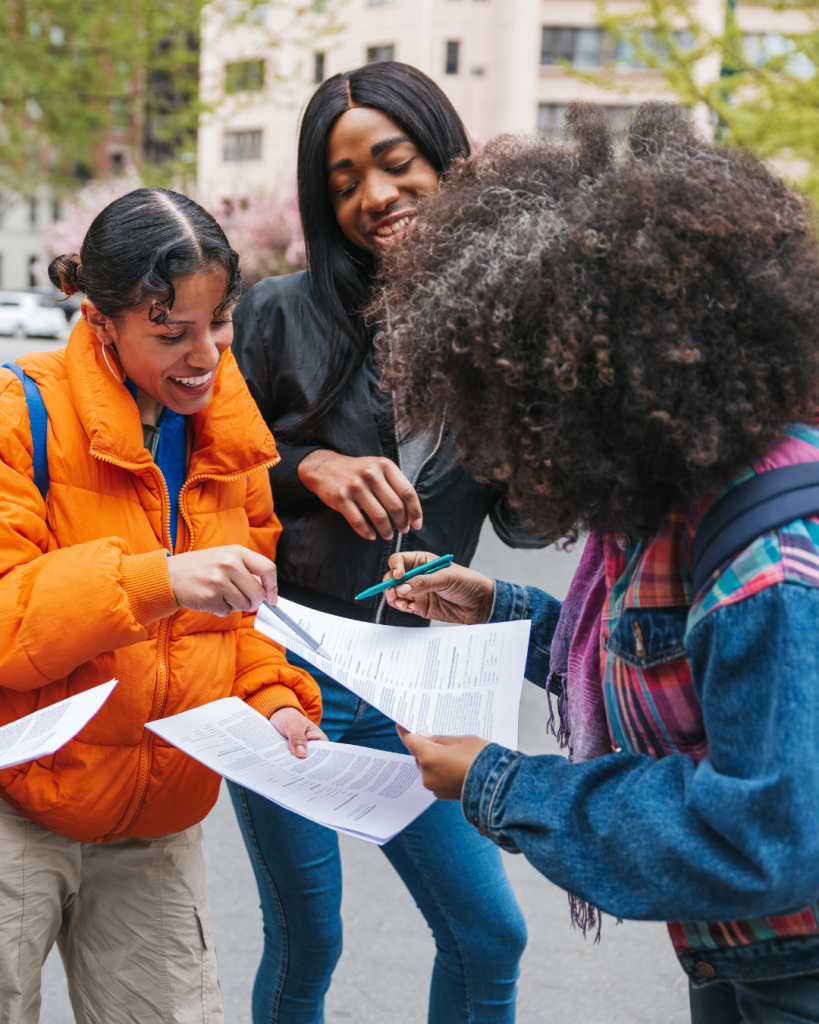 For nonprofits and community organizations, podcasting can also be a powerful advocacy tool.
Use it to explain an issue, interview experts, share community experiences, discuss policy changes, or simply help people understand a problem that deserves more attention.
A podcast allows organizations to go deeper than a social post or short announcement.
You have time to explain the issue.
You have time to tell the story.
And you have time to let people speak for themselves.
That can make the content feel much more personal and meaningful.
You Don’t Need to Become a Full-Time Media Organization
One of the biggest misconceptions about podcasting is that you need a huge production team to make it work.
You don’t.
Start with the content you already have.
Have a webinar coming up? Record it.
Have an expert visiting your school? Interview them.
Have an important community story to tell? Sit down and have the conversation.
Have a presentation that people keep asking about? Record it.
The best podcast strategy for a school or nonprofit may not be producing a new episode every week.
It may simply be finding useful content you’re already creating and giving people another way to access it.
Blubrry Supports Educational Organizations and Nonprofits
Blubrry offers podcast hosting designed for organizations that want to publish and manage their own podcasts, with support for audio and video publishing, distribution, statistics, WordPress websites, and other podcasting tools.
Blubrry also offers annual billing, which can be useful for organizations that work with annual budgets. Blubrry specifically lists educational organizations and nonprofits among the types of organizations that can benefit from annual hosting.
For educators, Blubrry currently advertises free professional hosting for educators, while verified college students can receive 50% off hosting for one year.
If you’re part of a school, nonprofit, or educational organization, it’s worth talking with Blubrry about which option and discount may apply to your organization.
Your Organization Has Stories Worth Sharing
A podcast doesn’t have to be about building a personal brand.
It can be about building a community.
It can help a school extend learning beyond the classroom. It can help a nonprofit show the impact of its work. It can help alumni stay connected, volunteers stay informed, and communities have conversations that matter.
And you may already have most of the content you need.
The next step is simply finding the stories, lessons, and conversations worth sharing.
Ready to Start?
Learn more about Blubrry’s podcast hosting options and see how audio and video can fit into your organization’s communication strategy.
Explore Blubrry Podcast Hosting or contact the Blubrry team to discuss your organization’s needs.